
Overview
Northern Base AI Labs worked on an AI-assisted retail monitoring workflow that connects camera activity, event detection and video notifications on a web platform.
The objective was practical: give a reviewer a short, relevant recording instead of requiring them to search through continuous store footage.
Testing exposed a problem beyond detection. An event could be identified, yet its notification could arrive too late to support timely review. The project therefore became as much about video creation and delivery as computer vision.
The Challenge
A camera records an interaction, but an event notification must make that interaction understandable.
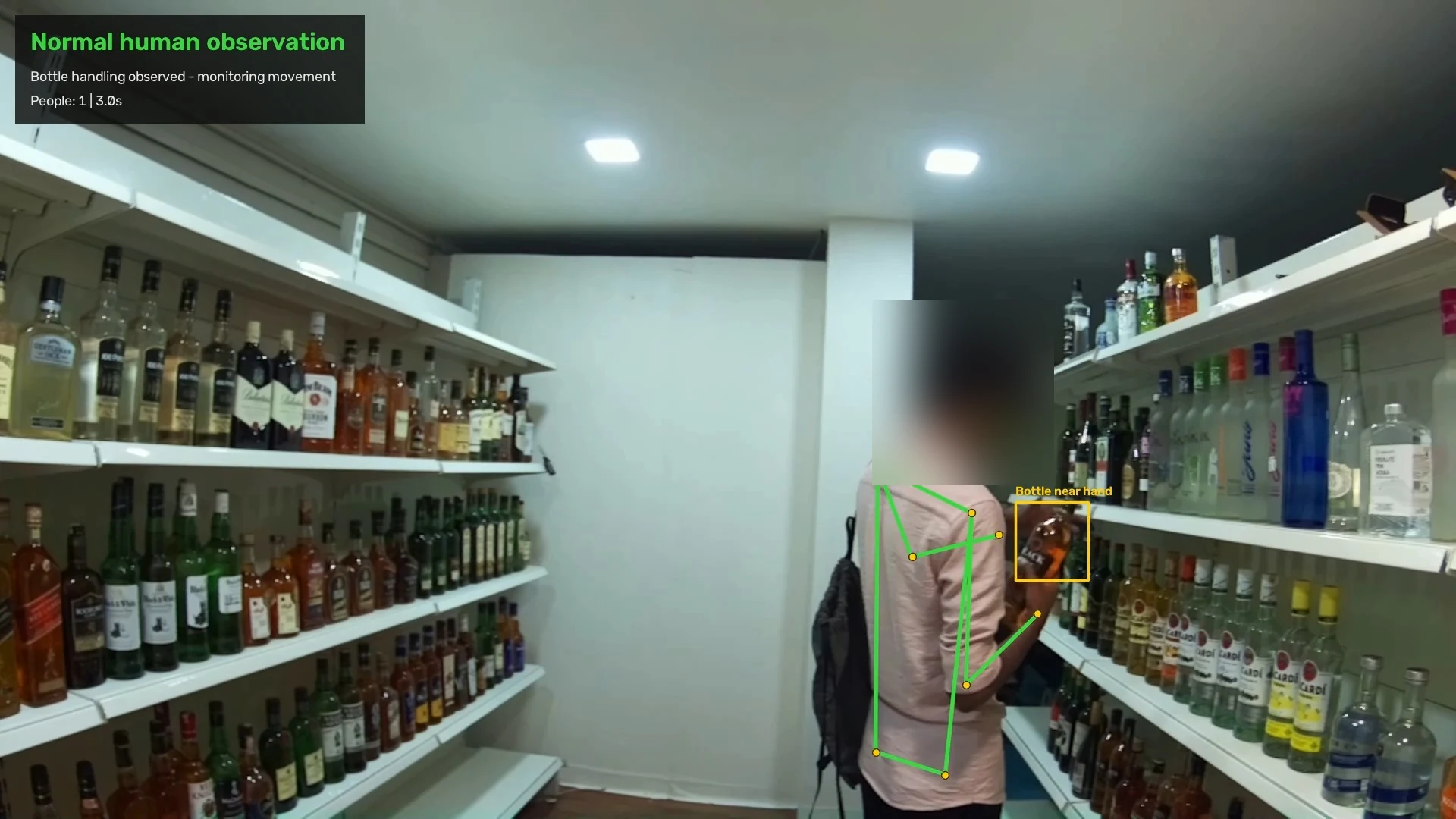
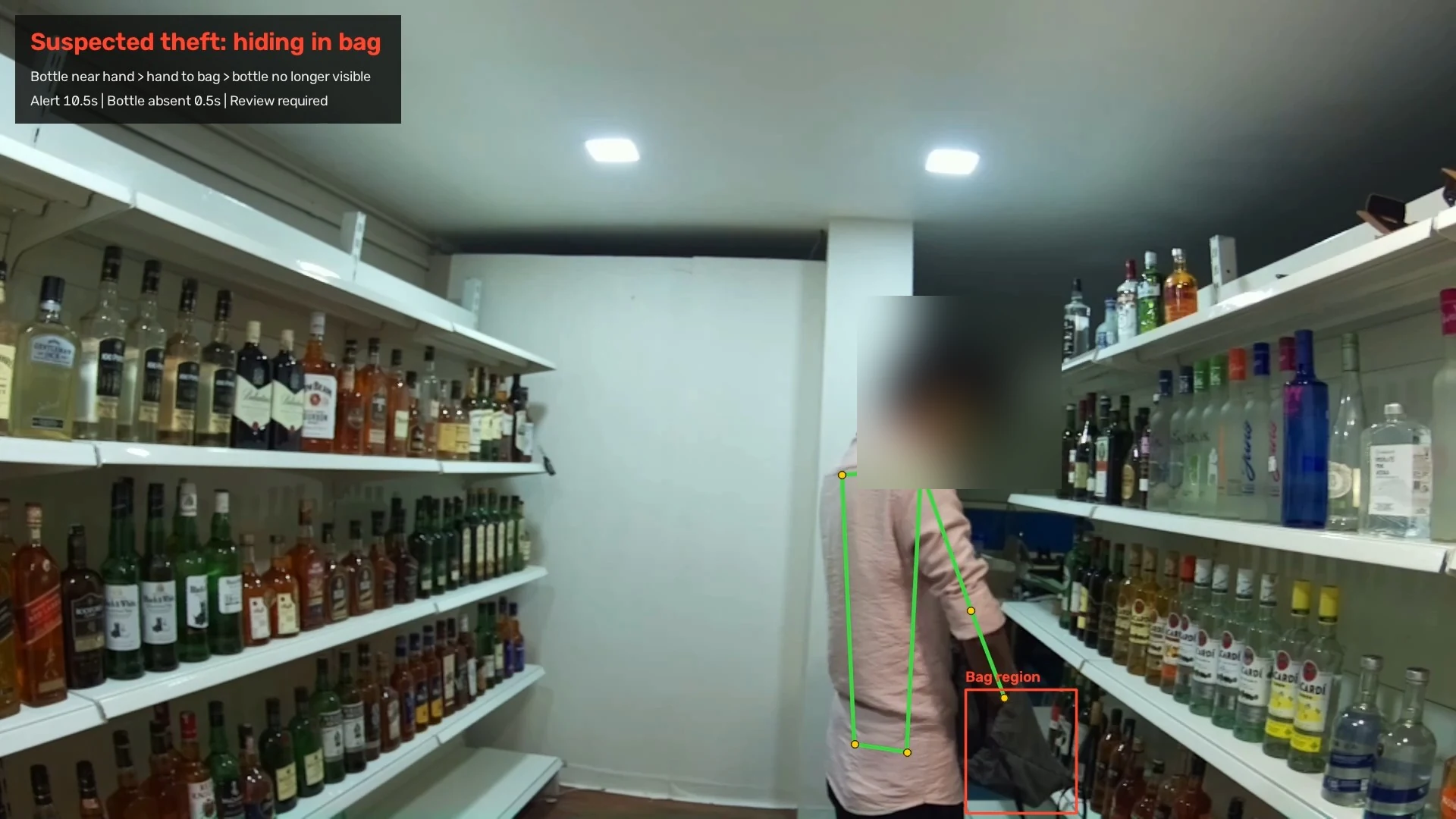
In the supplied footage, a participant handles a bottle beside a shelf. Hands, clothing and a bag interrupt the camera’s view of the product. A single frame cannot explain the sequence, and temporary loss of visibility does not establish where the bottle went.
The workflow needed to preserve enough footage for a reviewer to examine the activity. It also needed to carry that evidence through processing and into the web application.
The Workflow
Store camera data passes through an edge-processing environment. Relevant activity is processed as an event, an associated video clip is generated, and event information is sent to the web platform for review.
Camera footage → Event processing → Video clip → Web notification → Human review
This high-level description leaves proprietary implementation details private. The important engineering boundary is between identifying an event and successfully delivering its supporting evidence. Those are separate stages, and either can fail.
Giving the Reviewer Enough Footage
During refinement, notification videos were restored to approximately 30 seconds, and the number of frames used to create them was increased.
The purpose was to retain more of the interaction around the event. A brief snapshot might show a highlighted region without showing the handling that preceded it.
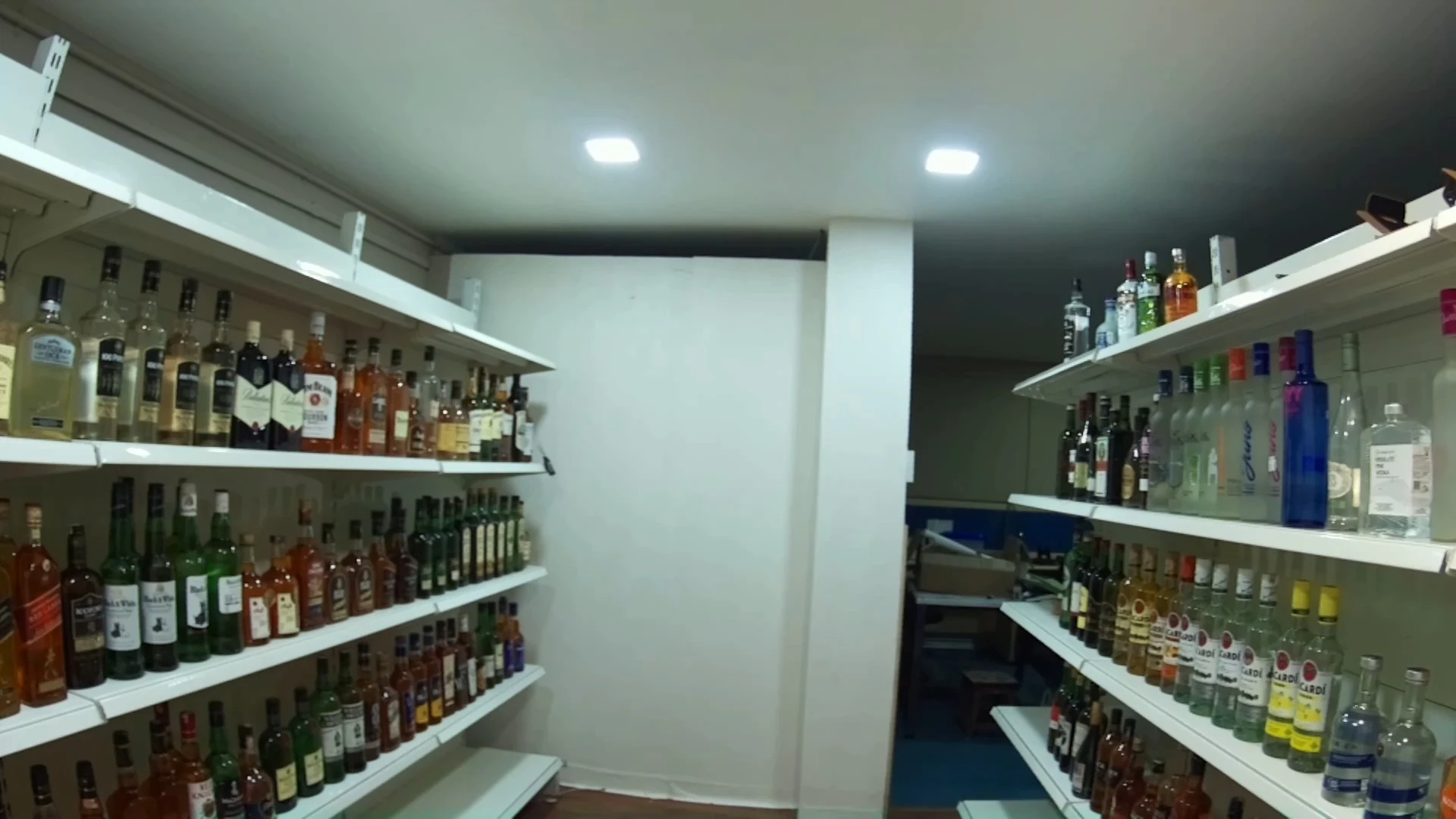
These frames document the visible sequence. They do not establish an inventory loss or the participant’s intent.
03 / The recorded sequence
Before the alert, during the event, after the interaction
These timestamps refer to the original recording. The final still extends beyond the short video excerpt.
The Finding That Changed the Investigation
Testing identified substantial delays between event detection and notification arrival on the web platform.
That meant a successful detection was not a sufficient test of the system. The investigation needed to cover the complete path:
Capture → Processing → Detection → Video creation → Transfer → Notification
A delay anywhere along that path could reduce the usefulness of the result. Checking only the detection output would leave the delivery problem unexplained.
Notification timing remains an area of investigation and refinement. A verified before-and-after measurement is not available for this case study, so the delay is not presented as resolved.
Refining the Operational Workflow
Other changes addressed the information presented to reviewers and the handling of everyday store activity.
Notification timestamp formatting was standardized. Normal actions were integrated into the operational pipeline used by theft-enabled stores, rather than treating all processing as exclusive to suspected events.
Person masking in generated videos is also a workstream. Its purpose is to reduce unnecessary identity exposure while preserving useful evidence. Completion of that work still requires validation; the blurred media prepared for this case study are not proof that masking works throughout the notification pipeline.
Current Outcome
The event-video workflow has been implemented and is being tested and refined within the retail AI environment.
The work covers video duration, notification delivery, timestamp presentation, person masking and the integration of normal activity. The supplied footage shows annotated interactions and changing event states. The broader workflow and development history are documented in the project owner’s account; web notification delivery is not visible in those recordings.
What the Project Taught Us
The reviewer receives a notification and a video, not a model prediction in isolation.
That makes clip creation and delivery part of the computer-vision system’s validation. The footage must contain the relevant activity, the event information must be understandable, and the notification must reach the application.
The project’s central lesson is straightforward: detecting an event is one milestone. Delivering evidence that someone can use is another.
Scope note: A product-removal event does not establish theft or intent. Suspected-theft wording in the original overlay is an event flag requiring review, not an independently verified finding.